
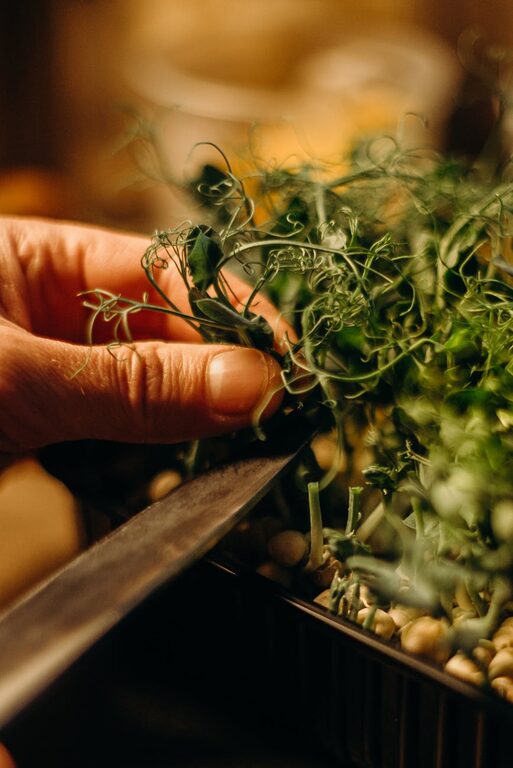
Growing a small herb garden indoors is a delightful way to add fresh flavors to your cooking while bringing a touch of greenery into your home. Whether you have a spacious kitchen or just a sunny windowsill, starting an indoor herb garden is easier than you might think. In this guide, we’ll walk you through everything you need to know to grow your own herbs successfully.
Why Grow Herbs Indoors?
Indoor herb gardening offers many benefits. Fresh herbs are always at your fingertips, which means more flavor and healthier meals. Growing herbs indoors also saves space, allows for gardening year-round regardless of weather, and can improve indoor air quality. Plus, herbs like basil, parsley, and mint can brighten your living space with greenery and subtle fragrances.
Choosing the Right Herbs
Not all herbs are equally suited for indoor gardening. Some popular, easy-to-grow options include:
– Basil: Requires a lot of sunlight; great for Italian dishes.
– Parsley: Thrives in moderate light and is versatile in cooking.
– Mint: Grows vigorously, even in partial shade, but keeps it contained.
– Chives: Low maintenance and adds a mild onion flavor.
– Thyme: Compact and does well in pots with good drainage.
– Cilantro: Prefers cooler temperatures and moderate light.
Consider how much light your space gets and your cooking preferences when selecting herbs.
What You’ll Need to Get Started
Before you begin, gather the following supplies:
– Containers: Small pots or containers with drainage holes; consider using recycled jars or herb-specific planters.
– Potting mix: Use a high-quality, well-draining potting soil formulated for herbs or indoor plants.
– Herb seeds or seedlings: Seeds take longer but are cheaper; seedlings offer a faster start.
– Light source: A sunny south- or west-facing window is ideal, or use LED grow lights if natural light is limited.
– Watering can: A small watering can with a spout helps you water gently to avoid disturbing the soil.
– Labels: To identify your herbs, especially if you’re growing several varieties.
Step-by-Step Guide to Planting Your Herb Garden
1. Choose the Right Location
Find a spot that receives at least 6 hours of sunlight daily. A kitchen windowsill is perfect, but if natural light is scarce, consider investing in a grow light to mimic the sun’s rays.
2. Prepare Your Containers
Make sure your pots have drainage holes to prevent waterlogging. Fill them with potting mix, leaving about an inch of space at the top.
3. Plant Your Seeds or Seedlings
– Seeds: Sprinkle seeds on top of the soil and cover them lightly according to the seed packet instructions.
– Seedlings: Dig a small hole in the soil, place the seedling carefully, and gently firm the soil around it.
Water lightly after planting.
4. Watering Your Herbs Correctly
Herbs prefer moist but not soggy soil. Water when the top inch of soil feels dry. Avoid overwatering by ensuring proper drainage.
5. Maintain Ideal Conditions
– Light: Herbs need plenty of light. Rotate plants weekly to ensure even growth.
– Temperature: Most herbs thrive between 65-75°F (18-24°C).
– Humidity: Indoor air can be dry, especially during winter. Mist herbs occasionally or place a shallow tray filled with water nearby.
Caring for Your Indoor Herb Garden
Regular Pruning
Trim your herbs regularly to encourage bushier growth and prevent legginess. Pinch off flowers to keep herbs flavorful.
Fertilizing
Feed your herbs with a diluted, balanced liquid fertilizer every 4-6 weeks during the growing season to promote healthy growth.
Pests and Problems
Watch for common indoor pests like aphids or spider mites. If you notice pests, wipe leaves with a damp cloth or use organic insecticidal soap.
Harvesting Your Herbs
Harvest your herbs by snipping leaves or stems with scissors. For best flavor, pick herbs in the morning after the dew has dried. Avoid harvesting more than one-third of the plant at a time to allow it to continue growing.
Tips for Success
– Start with a few easy-to-grow herbs before expanding your garden.
– Keep a watering schedule — consistency is key.
– Use proper lighting; invest in a grow light if natural light is inadequate.
– Experiment with containers and placement to find what works best in your space.
Conclusion
Starting a small indoor herb garden is a rewarding project that adds fresh flavors to your meals and livens up your home. With a little effort and care, you can enjoy herbs like basil, mint, and parsley year-round. Happy gardening!
—
Feel free to share your favorite herb-growing tips or questions in the comments below!