
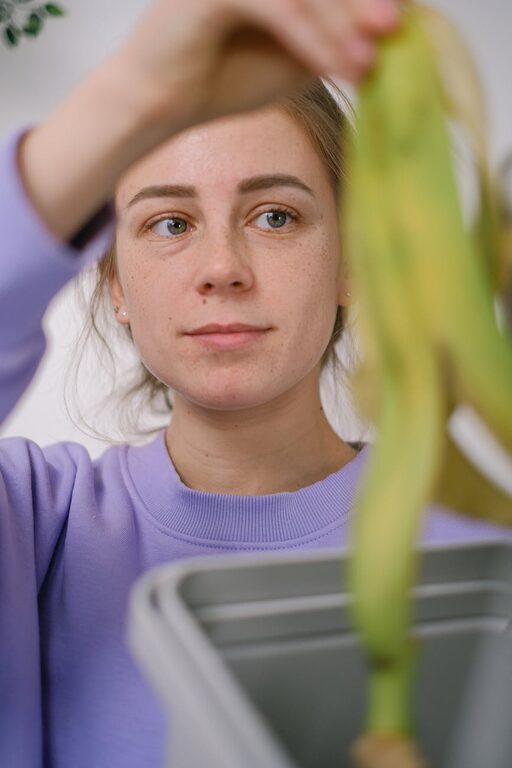
Composting at home is a fantastic way to reduce waste, enrich your garden soil, and contribute to a healthier environment. If you’re new to composting, it may seem a bit overwhelming at first, but once you get the hang of it, it’s a rewarding and enjoyable routine. This guide will walk you through beginner-friendly tips to help you start composting successfully in your own backyard or even indoors.
What Is Composting?
Composting is the natural process of breaking down organic material, such as food scraps and yard waste, into nutrient-rich soil known as compost or humus. This decomposed material improves soil structure, retains moisture, and supplies essential nutrients for plants.
Why Compost at Home?
– Reduce household waste: Composting cuts down the amount of rubbish sent to landfills.
– Improve garden health: Compost provides natural fertilizer, reducing the need for chemical products.
– Save money: By recycling kitchen waste into compost, you reduce the need to buy soil amendments.
– Help the environment: Composting lowers greenhouse gas emissions by diverting organic matter from landfills.
Getting Started: Choosing Your Composting Method
Outdoor Compost Bins
For those with a garden or backyard, outdoor compost bins or piles are a popular choice. You can buy a bin or build one yourself with simple materials like wood pallets.
Indoor Composting Options
If you don’t have outdoor space, countertop compost bins or worm composting (vermicomposting) are excellent alternatives for indoor composting.
Beginner Tips for Successful Home Composting
1. Select the Right Spot
If you’re using an outdoor bin, find a dry, shaded area with good drainage. A spot near your garden or kitchen makes it easier to add materials and turn the compost regularly.
2. Know What to Compost
Composting requires a balance between green (nitrogen-rich) and brown (carbon-rich) materials.
– Green materials: vegetable scraps, coffee grounds, grass clippings, tea bags
– Brown materials: dry leaves, shredded paper, cardboard, straw, wood chips
Avoid composting meat, dairy, oily foods, pet waste, or diseased plants, as they can cause odors or attract pests.
3. Chop or Shred Materials
Smaller pieces decompose faster. Cutting food scraps and yard waste into smaller bits speeds up the composting process.
4. Maintain the Right Balance
Aim for roughly 2 to 3 parts brown materials to 1 part green materials. Too much green can cause odors; too much brown slows decomposition.
5. Monitor Moisture Levels
Compost should be as damp as a wrung-out sponge. If it’s too dry, add water or green materials. If too wet, add more brown materials and turn to aerate.
6. Turn or Aerate Regularly
Mixing your pile every week or two adds oxygen, which helps microorganisms break down materials faster and prevents smell.
7. Be Patient
Composting can take anywhere from a few weeks to several months depending on conditions, materials, and maintenance. Finished compost looks dark, crumbly, and earthy-smelling.
Additional Tips for Indoor Composting
Vermicomposting with Worms
Red wiggler worms can turn your food scraps into rich compost efficiently. Use a worm bin with bedding made from shredded paper and keep it in a warm, shaded area.
Bokashi Composting
This anaerobic method ferments food waste using special microbes inside a sealed container. After fermentation, the material can be added to soil or a traditional compost pile.
Using Your Finished Compost
Once your compost is ready, use it to:
– Enrich garden soil before planting
– Mix with potting soil for houseplants
– Top-dress lawns or flower beds
– Create compost tea (a natural fertilizer)
Common Composting Challenges and Solutions
| Problem | Cause | Solution |
|————————–|————————-|———————————|
| Bad odor | Too much green or wet | Add browns and turn pile |
| Pests or rodents | Meat or dairy in pile | Avoid these materials, cover pile|
| Slow decomposition | Lack of air or moisture | Turn more, add water and greens |
| Compost pile too dry | Lack of water | Water pile regularly |
Final Thoughts
Starting a home composting system is easier than you might think. By following these beginner tips and being patient with the process, you’ll soon create nutrient-rich compost that benefits your plants and the environment. Happy composting!
—
If you have questions or want to share your composting experiences, feel free to leave a comment below!