
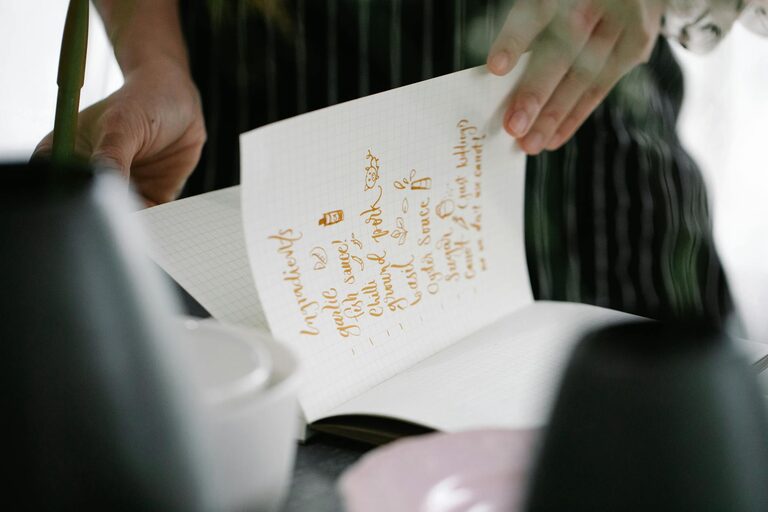
Reducing food waste at home is not only a great way to save money but also a meaningful step toward protecting the environment. Globally, nearly one-third of all food produced is wasted, which means valuable resources like water, energy, and labor are also wasted. Fortunately, by making small changes in how we shop, store, and cook food, each of us can make a significant impact. This post will explore practical strategies you can start using today to reduce food waste in your household.
Understanding Food Waste at Home
Food waste happens at multiple stages — from buying and storing to preparing and serving. Common reasons include buying more than needed, improper storage, cooking excessive portions, or forgetting leftovers. Becoming aware of where waste occurs in your routine is the first step toward change.
Plan Your Meals and Shopping List
Make a Weekly Meal Plan
Planning meals ahead helps you buy only what you need. Sit down once a week to map out breakfast, lunch, and dinner ideas. Consider what you already have and try to use ingredients that might spoil soon.
Create a Smart Shopping List
Stick to your list and avoid impulse purchases. Buying in bulk is not always the best choice if you end up throwing away unused items. Prioritize fresh produce and perishable items in small amounts.
Shop Wisely to Prevent Waste
Buy Loose Produce
Buying loose fruits and vegetables allows you to pick the quantity you really need, reducing excess that might go bad.
Check Expiration Dates
Choose products with longer shelf life where possible. Some foods are still safe to consume past the “best before” date, so educate yourself on different labels to avoid unnecessary tossing.
Store Food Properly
Use Airtight Containers
Keeping leftovers and perishable foods in airtight containers slows spoilage and prevents odors from spreading in the fridge.
Understand Ideal Storage Conditions
Different foods require different storage methods. For example, tomatoes should stay at room temperature, while leafy greens last longer if wrapped in paper towels inside the fridge.
Organize Your Fridge and Pantry
Place items that need to be used soon at the front so they’re visible and won’t get forgotten. First In, First Out (FIFO) is a helpful strategy—use older items before newer ones.
Cook Smart and Use Leftovers
Prepare Appropriate Portions
Avoid making more food than your household can eat in one sitting. Use measuring tools or recipes to cook the right amount.
Repurpose Leftovers Creatively
Transform uneaten meals into new dishes — for instance, turn roasted vegetables into soup or leftover rice into fried rice. This prevents food from sitting unused and ending up in the trash.
Freeze Excess Food
Most cooked dishes and many raw ingredients freeze well. Portion leftovers into single servings and store them in labeled containers or bags.
Compost Food Scraps
Even with the best efforts, some food waste is unavoidable. Composting organic scraps like vegetable peels, coffee grounds, and eggshells keeps them out of landfills and creates nutrient-rich soil for your garden.
Get the Whole Family Involved
Educate family members on the importance of reducing food waste. When everyone understands the value of food, you’re more likely to maintain these habits successfully.
Benefits Beyond the Kitchen
Cutting food waste saves money by making groceries last longer. Additionally, it reduces your home’s environmental footprint by lowering methane emissions from landfills and conserving resources used in food production.
—
By making mindful choices — from planning meals to proper storage and creative cooking — you can significantly cut down food waste at home. Start with one or two tips and gradually incorporate more habits. Your efforts will not only benefit your household but also contribute to a more sustainable world.
—
If you found this post helpful, consider sharing it with friends and family who want to reduce food waste too! For more tips on sustainable living, subscribe to our blog.