
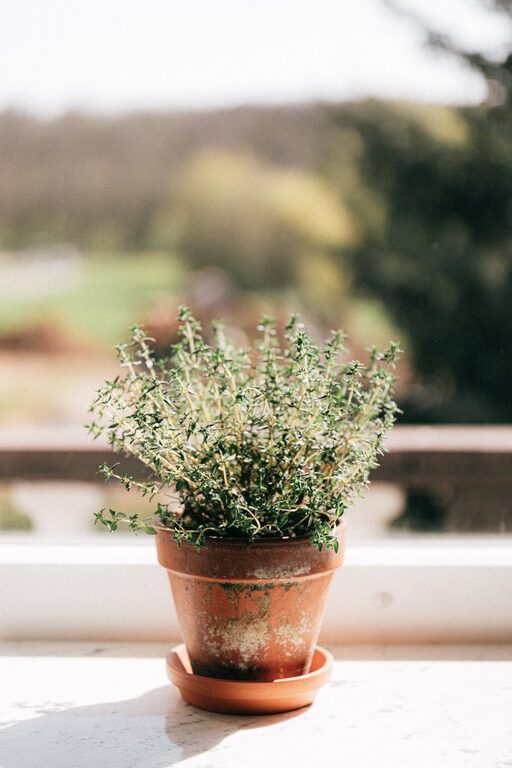
Starting an indoor herb garden is a wonderful way to have fresh flavors at your fingertips, brighten up your living space, and enjoy a rewarding hobby. Whether you have a spacious kitchen or just a small windowsill, growing herbs indoors can be simple and enjoyable. This guide will walk you through the steps to set up your own small herb garden inside your home.
Why Grow Herbs Indoors?
Growing herbs indoors offers several advantages:
– Freshness: Always have fresh herbs ready for cooking or garnishing.
– Convenience: Easily access herbs without needing a backyard or outdoor space.
– Aesthetic: Green plants add beauty and a sense of calm indoors.
– Cost-effective: Growing your own can save money compared to buying fresh herbs frequently.
Choosing the Right Herbs for Indoor Gardening
Not all herbs thrive indoors the same way, so it’s best to start with varieties that adapt well to indoor conditions. Some of the easiest herbs to grow inside include:
– Basil: Loves sunlight and warmth; great for Italian dishes.
– Parsley: Tolerant of moderate light; rich in nutrients.
– Mint: Grows quickly and spreads; good for teas and desserts.
– Chives: Requires moderate light; mild onion flavor.
– Thyme: Prefers bright light; fragrant and versatile.
– Cilantro: Needs cooler temperatures and good light.
– Oregano: Thrives in bright conditions; perfect for Mediterranean recipes.
What You’ll Need to Get Started
Before planting, gather some basic supplies:
– Containers: Pots with drainage holes to prevent waterlogging.
– Potting Mix: Lightweight soil formulated for indoor plants.
– Seeds or Starter Plants: Starter plants can be easier for beginners.
– Lighting: A bright spot or supplemental grow lights.
– Watering Tools: A small watering can or spray bottle.
– Fertilizer: Mild, balanced fertilizer suitable for herbs.
Step-by-Step Guide to Starting Your Indoor Herb Garden
1. Pick the Ideal Location
Most herbs need at least 6 hours of sunlight daily. South- or west-facing windows are often the best choice. If natural light is limited, consider using LED grow lights to provide the right spectrum for healthy growth.
2. Choose Suitable Containers
Select pots that fit your space and have good drainage. Avoid containers without holes as they can cause root rot. Terracotta pots work well as they allow air and moisture to pass through the sides.
3. Prepare the Soil
Use a high-quality potting mix designed for herbs or indoor plants. Avoid garden soil, which may be too dense and hold too much moisture indoors.
4. Plant Your Herbs
– If using seeds, follow the packet instructions for depth and spacing.
– If using starter plants, gently loosen roots and plant them at the same soil level they were growing.
– Water lightly after planting to settle the soil.
5. Water and Maintain Proper Moisture
Herbs prefer soil that’s moist but not soggy. Check the soil regularly by feeling the top inch; water when it feels dry. Overwatering can harm the plants, so be cautious.
6. Provide Adequate Light
Rotate your plants occasionally to ensure even light exposure. If leaves start to look leggy or pale, it may be a sign they need more light.
7. Fertilize Occasionally
Use a balanced, water-soluble fertilizer every 4-6 weeks during the growing season to encourage healthy growth. Avoid over-fertilizing, which can reduce flavor.
8. Harvest Properly
Regular harvesting encourages new growth. Use scissors to snip leaves rather than pulling to protect the plant. Harvest in the morning when oils and flavors are strongest.
Common Challenges and How to Solve Them
– Yellowing leaves: May indicate overwatering or poor drainage.
– Leggy plants: Usually caused by inadequate light.
– Pests: Indoor herbs can attract aphids or spider mites; try rinsing leaves or using natural remedies.
– Slow growth: Could be a sign of nutrient deficiency or insufficient light.
Tips for Success
– Start small if you’re new, focusing on 2-3 herbs.
– Keep a consistent care routine.
– Experiment with different containers and setups.
– Label your plants for easy identification.
– Enjoy the process and learn as your garden grows.
Conclusion
Starting a small indoor herb garden is a fun and practical way to enhance your cooking and living space. With a bit of attention to light, water, and care, you can enjoy fresh herbs year-round right from your home. Happy gardening!